By Dedan October 12, 2024

Top POS Trends for 2024: What You Need to Know

In 2024, the way businesses interact with customers and manage transactions is rapidly evolving. Point-of-sale (POS) systems, once considered mere tools for processing payments, have transformed into powerful hubs for managing customer experience, inventory, and data security. Keeping up with the latest POS trends isn’t just about staying competitive—it’s about anticipating the future of retail. In this article, we’ll explore the top POS trends for 2024 that every business should know to enhance operations and elevate customer satisfaction.

Top POS Trends for 2024

  • AI-Powered Personalization.

    AI-powered personalization is set to revolutionize the way businesses interact with their customers in 2024. Modern POS systems equipped with AI can process and analyze customer data in real time. This means that every transaction, whether online or in-store, contributes to a more detailed profile of each customer. AI uses this data to predict what a customer might want next, allowing businesses to offer personalized product recommendations, promotions, or discounts at precisely the right moment.

  • Contactless Payments and Biometric Authentication.

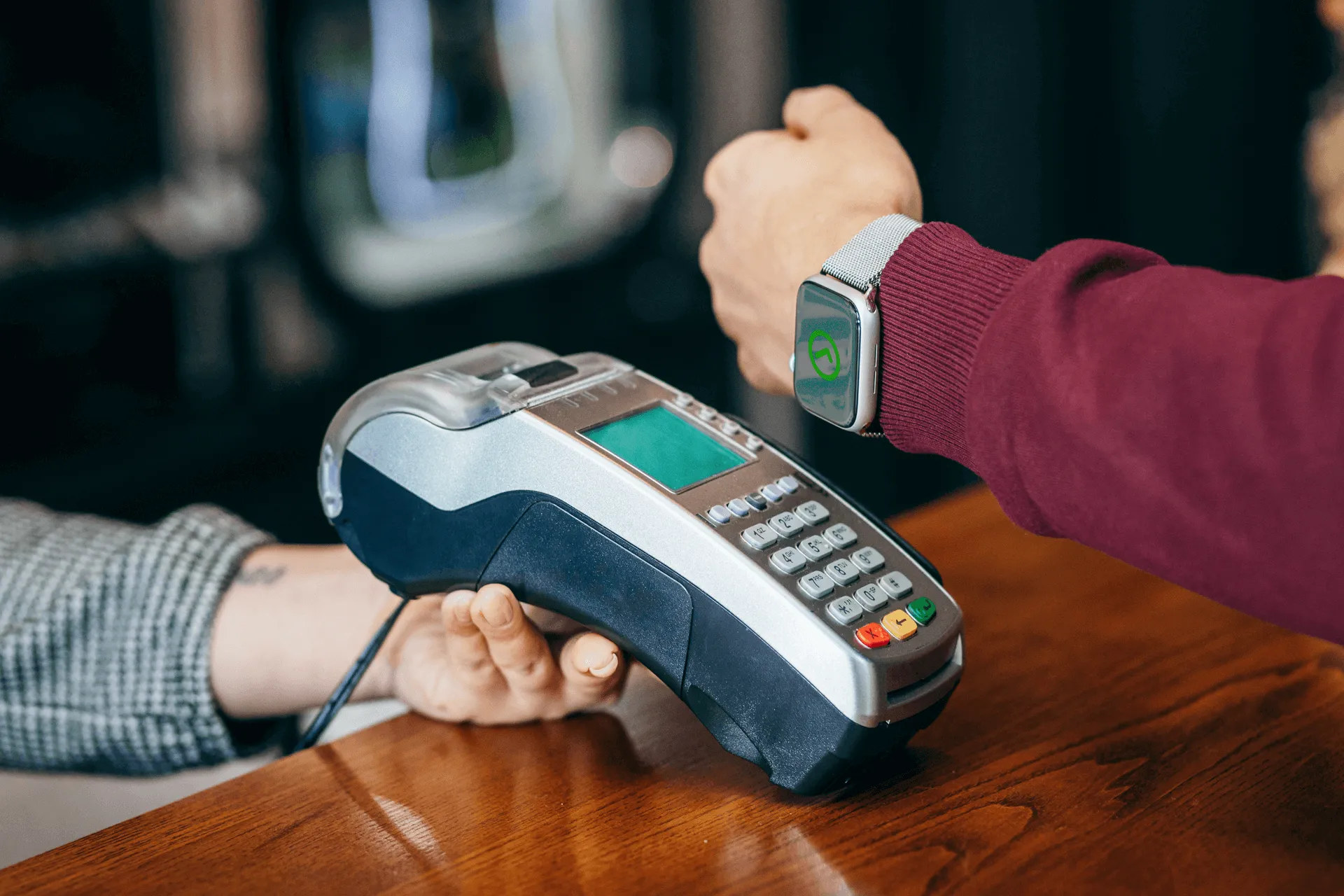
    In 2024, contactless payments and biometric authentication will continue to reshape the way customers complete transactions, offering faster and more secure alternatives to traditional payment methods. Contactless payments have become a standard expectation for many customers. These transactions allow users to pay by simply tapping their smartphone, smartwatch, or contactless card on a POS terminal, eliminating the need for cash or swiping cards. This method uses Near Field Communication (NFC) technology to transmit payment data securely between the customer’s device and the POS system. Biometric authentication is a game-changer for POS security. It involves using unique physical traits, such as fingerprints and facial recognition to verify a customer’s identity. In 2024, POS systems with biometric capabilities are expected to become more widespread as businesses look for ways to enhance security.

  • Cloud-Based Solutions.

    As businesses continue to modernize their operations, cloud-based POS solutions are becoming increasingly popular in 2024. Unlike traditional on-premise systems that store data locally, cloud-based POS systems store data on remote servers. Cloud-based systems allow for real-time updates, ensuring that the latest sales data, inventory levels, and customer information are always up to date across all platforms. This is especially valuable for businesses with multiple locations or e-commerce channels, where consistent data synchronization is essential. Cloud-based POS systems are inherently scalable, making them ideal for businesses of all sizes. As your business grows, you can easily add new locations, terminals, or users without the need for significant hardware investments or system overhauls.

  • Mobile POS Systems (mPOS).

    Mobile POS systems (mPOS) are revolutionizing the way businesses handle transactions by turning smartphones, tablets, or other handheld devices into portable point-of-sale terminals. In 2024, mPOS solutions are expected to see widespread adoption as more businesses seek flexible and scalable systems that can enhance both the customer experience and operational efficiency. Traditional fixed POS terminals can limit the flow of in-store traffic and create long lines at checkout counters. mPOS systems, however, allow businesses to process transactions anywhere—whether inside the store or at a pop-up event. With mPOS, sales staff can move freely around the store, helping customers on the spot, checking inventory, and processing sales without having to direct them to a checkout counter. This creates a more personalized shopping experience, reduces wait times, and prevents long lines, especially during peak hours.

  • Sustainability Initiatives.

    As consumers become more environmentally conscious, businesses are increasingly looking to align their operations with sustainability initiatives. Companies are adopting eco-friendly practices across all of their operations, and POS systems are no exception. One of the most noticeable changes in POS sustainability is the shift from paper to digital receipts. Traditional paper receipts may seem insignificant, but they contribute to a considerable amount of waste, especially when considering the millions of transactions processed daily. Businesses are increasingly adopting digital receipts—sent via email or SMS—as an eco-friendly alternative. Digital receipts offer a more convenient way for customers to track their purchases. They’re easier to store, search, and organize, and they reduce clutter, which is especially appealing to consumers who prioritize a more streamlined, eco-conscious lifestyle.

  • Voice-Activated POS Systems.

    Voice-activated technology has already revolutionized the way we interact with devices, from smartphones and virtual assistants like Amazon's Alexa to smart home systems. In 2024, this technology is set to make its mark in the Point of Sale (POS) industry, offering businesses a hands-free, efficient way to manage transactions and operations. Voice-activated POS systems allow employees to interact with their POS software using voice commands, eliminating the need for manual input through touchscreens, keyboards, or other traditional interfaces. Voice-activated POS systems allow employees to perform tasks faster, especially in busy environments like retail stores, restaurants, and hospitality venues. Without needing to navigate through multiple menus or screens, staff can complete transactions more quickly and serve customers faster. This reduces wait times, enhances customer satisfaction, and improves overall operational efficiency.

Conclusion

As POS technology continues to evolve, businesses that stay informed about the latest trends will have a competitive edge. The above top POS trends for 2024 offer a glimpse into the future of retail and customer service. By adopting these innovations, businesses can improve their operational efficiency, enhance the customer experience, and position themselves for long-term success.

Leave A Reply

Your email address will not be published. Required fields are marked *